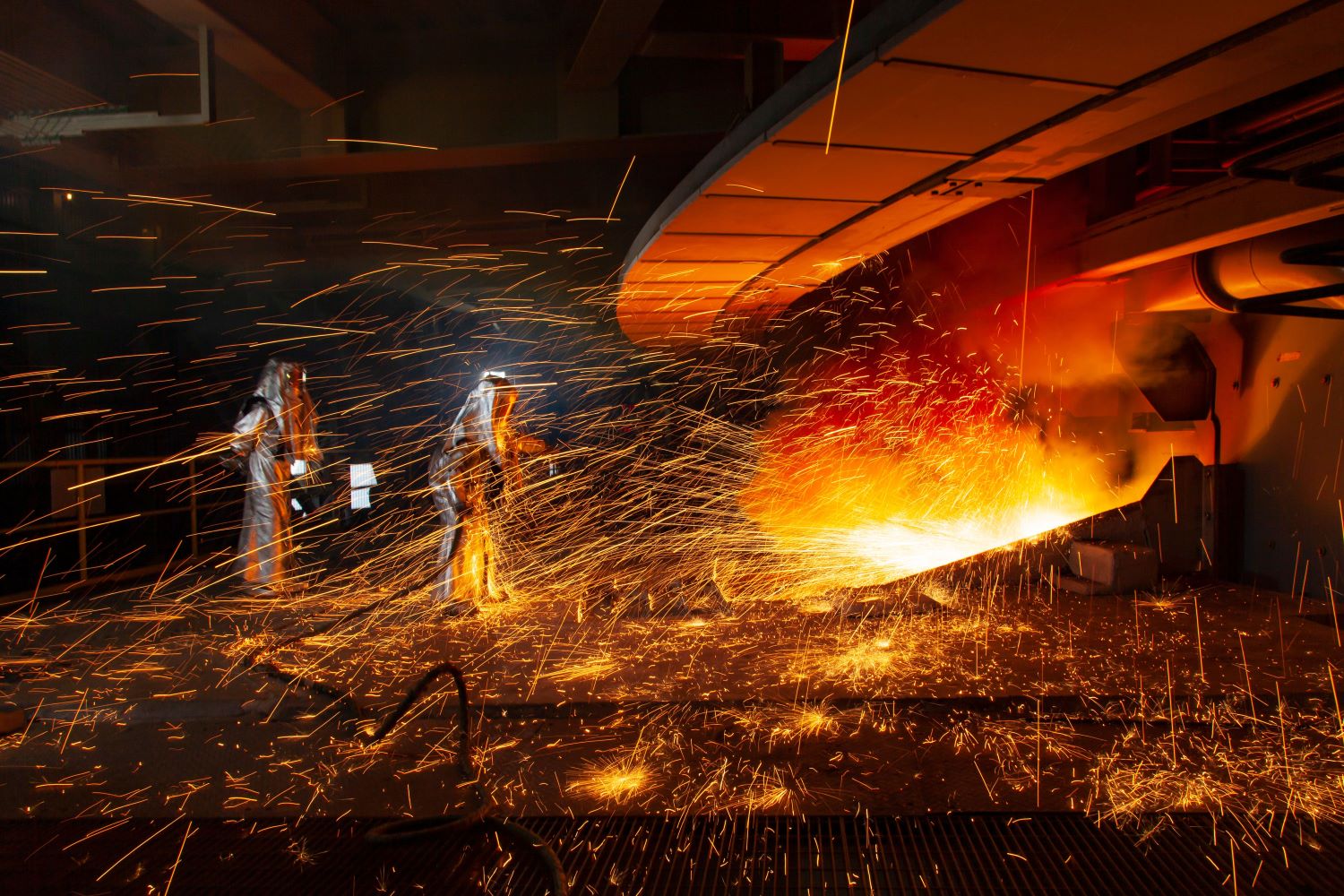
Vietnam has become a go-to location for sand casting services over the past decade. Competitive labor costs, improving technical capabilities, and a growing export-oriented manufacturing base mean many buyers now consider Vietnamese foundries for cast iron, steel, aluminum, and bronze components. In this guide we walk through how sand casting is performed in Vietnam, the materials and methods commonly used, where the clusters are located, quality and testing expectations, commercial considerations, and the sustainability and future trends shaping the sector. Our aim is to give procurement teams and design engineers a clear, actionable picture of what to expect when sourcing sand-cast parts from Vietnam.
Overview Of Sand Casting In Vietnam
Sand casting is the backbone of many Vietnamese foundries, from small job shops serving local OEMs to larger factories focused on exports. The process’s flexibility, low tooling cost, and suitability for medium-to-large parts make it ideal for the country’s mix of customers: automotive suppliers, agricultural machinery manufacturers, construction equipment producers, and marine component makers.
Over recent years we’ve seen steady investments in process control, finishing equipment, and metallurgical testing. While some shops remain traditional and labor-intensive, an increasing number have adopted semi-automated molding lines, resin-bonded systems, and modern fettling cells to meet stricter tolerances and surface-finish requirements. That means buyers can find everything from economical prototypes to higher-volume production runs in Vietnam, provided they know how to select the right partner and set clear technical expectations.
Materials, Techniques, And Typical Processes
Sand casting in Vietnam uses a mix of traditional and modern techniques. Below we summarize the most common methods and the standard process flow so you can match requirements to supplier capabilities.
Green Sand And Resin-Bonded Methods
Green sand (clay-bonded silica) remains the most widely used molding medium because it’s low-cost, reusable, and works well for many geometries. For parts requiring better dimensional stability or smoother surface finish we’ll typically specify resin-bonded sand (furan or phenolic resins) or sodium-silicate systems. Resin-bonded methods reduce gas defects and allow for finer detail at the cost of higher sand and binder consumption and more sophisticated reclamation equipment.
Coremaking, Molding, Pouring, And Finishing Steps
The typical workflow in Vietnamese foundries follows these stages: pattern making → mold preparation → coremaking → assembly and gating → melting and pouring → shakeout → cleaning and fettling → heat treatment (if required) → machining and surface treatment. Coremaking has improved with the wider use of chemically bonded cores and cold-box processes, especially for complex internal passages used in pumps and engine components.
Melting methods vary by alloy and scale: cupola furnaces are common for cast iron, induction and electric arc furnaces for steel and higher-grade alloys, and induction melting for aluminum. Pouring practices differ across shops: good suppliers will report melt chemistry and record temperatures to ensure repeatability.
Common Alloys Used In Vietnam (Cast Iron, Steel, Aluminum, Bronze)
- Cast iron: Gray and ductile iron are the most common, widely used for engine blocks, housings, and heavy machinery parts.
- Steel: Carbon and low-alloy steels are produced for structural components and wear parts: stainless steel casting is less common but available at select foundries.
- Aluminum: Used heavily for lightweight components, housings, and marine parts: common alloys include A356 and 380-series for pressure diecast alternatives.
- Bronze and copper alloys: Employed for marine hardware, bearings, and pump components.
When specifying alloys we recommend including target mechanical properties, required tensile/elongation numbers, and any heat-treatment schedules to avoid ambiguity.
Industry Landscape: Regions, Clusters, And Key Players
Vietnam’s sand casting capacity is clustered geographically, which helps buyers evaluate logistics and ecosystem support.
Major Manufacturing Hubs And Export-Oriented Clusters
- Northern Vietnam (Hanoi, Bac Ninh, Hung Yen): This region hosts many medium-sized foundries and benefits from skilled labor and proximity to port facilities in Hai Phong. It’s strong for automotive sub-suppliers and general machinery castings.
- Central Vietnam (Da Nang, Quang Nam): We find a growing cluster around Da Nang where shops serve local shipbuilding yards and construction equipment makers. Smaller foundries here often specialize in heavy castings.
- Southern Vietnam (Ho Chi Minh City, Dong Nai, Binh Duong): This area is the most export-focused, with larger facilities, better access to international logistics, and more firms offering integrated services (melt, casting, heat treat, and machining). Many suppliers here already serve European and North American markets and maintain ISO quality systems.
Key players range from family-run workshops to industrial groups operating multiple foundries with modern equipment. For complex or certified work we generally look to suppliers in the south that have experience with export compliance and international buyers.
Typical Products And Industries Served
Vietnamese sand casting supports a broad set of end markets. Understanding typical products helps set realistic expectations for lead times, tolerances, and finishing.
Automotive, Machinery, Construction, And Marine Applications
- Automotive: Brake components, gearbox housings, engine brackets, and differential cases. Suppliers capable of meeting automotive PPAP requirements are available but must be vetted carefully.
- Machinery: Pump housings, gearbox casings, impellers, and agricultural equipment parts. These often require medium-to-large castings with robust dimensional control.
- Construction: Heavy equipment components such as loader arms, couplings, and hydraulic pump housings. Castings in this sector prioritize strength and fatigue life over cosmetic finish.
- Marine: Propeller hubs, pump components, and bronze fittings. Corrosion-resistant alloys and special coatings are typically required for seawater applications.
Across these markets we see a strong demand for parts that balance cost and functional performance rather than premium surface finish.
Quality Standards, Testing, And Common Defects
Quality control in sand casting centers on metallurgical integrity, dimensional accuracy, and surface condition. Vietnamese foundries have made progress, but buyers must specify and verify test protocols.
Relevant Certifications And Inspection Methods (NDT, Metallography)
Common certifications: ISO 9001 is widely held: ISO 14001 and IATF 16949 (automotive) are less common but available among export-oriented suppliers. For customers requiring higher assurance we recommend confirming certification scope and recent audit reports.
Typical inspection and testing methods used include:
- Visual and dimensional inspection (CMM checks for critical features)
- Non-destructive testing: dye-penetrant, magnetic particle inspection (MPI), ultrasonic testing (UT) for volumetric defects
- Metallography and hardness testing to verify microstructure and mechanical properties
- Chemical analysis (OES/spectrometer) of melt samples
Common defects buyers should watch for are porosity, sand inclusion, cold shuts, misruns, shrinkage, and gas-related blowholes. To reduce surprises, require process control data (melt reports, pour temperatures, core-bake records) and request first-article inspections or castings sample runs before full production.
Sourcing, Costs, Lead Times, And Supplier Selection
When sourcing sand-cast parts from Vietnam we evaluate four levers: price, technical capability, lead time, and risk management.
- Costs: Labor and overheads are lower than many neighboring countries, driving competitive piece prices. But, costs vary with alloy, part complexity, finishing, and post-processing. Shipping and VAT/Import duties must be included in landed-cost calculations.
- Lead times: For first articles expect 6–10 weeks (pattern, tooling, trial castings, and QA). Once tooling is established, typical production lead times range from 3–8 weeks depending on batch size and finishing requirements.
- Payment terms and logistics: Suppliers commonly accept deposits with balance on shipment. Use staggered payments tied to milestones and incoterms that match your logistics strategy (FOB or EXW are common starting points).
How To Evaluate Vietnamese Foundries (Capabilities, QC, References)
When evaluating suppliers we recommend the following checklist:
- Capability matrix: maximum casting weight, available alloys, melting technology, pattern shop, machining capacity
- Quality systems: ISO certifications, available NDT methods, onsite lab capabilities
- Sample history: request photos and references for similar parts, check first-article reports
- Factory audit: conduct or commission an audit that covers process flow, worker skill, environmental practices, and traceability
- References: speak with existing export customers and ask for long-term supply examples
A short factory visit or third-party audit will quickly reveal whether a supplier can scale and sustain quality.
Sustainability, Challenges, And Future Trends
Sustainability and modernization are central to the future of sand casting in Vietnam. We see several trends reshaping the industry.
Environmental Practices, Waste Management, And Energy Use
Foundries are energy-intensive and generate sand, slag, and emissions. Leading Vietnamese suppliers are investing in sand reclamation systems, bag-house filtration for particulate control, and more efficient induction furnaces to reduce fuel use. Waste-management practices vary, some smaller shops still rely on local disposal, while larger, export-oriented foundries carry out closed-loop sand reclamation and chemical treatment for wastewater.
Other trends include:
- Automation: robotic fettling and semi-automated molding lines are increasing consistency and reducing labor bottlenecks.
- Digitalization: basic ERP systems, digital quality records, and SPC (statistical process control) adoption help reduce variability.
- Nearshoring demand: global supply-chain shifts have driven more buyers to evaluate Vietnam as an alternative to China for medium-volume castings.
Challenges remain: inconsistent enforcement of environmental regulations in some regions, skill gaps for highly technical processes, and the initial capital cost for foundries to upgrade equipment. For buyers focused on long-term partnerships, prioritizing suppliers that demonstrate both environmental responsibility and investment in process controls will reduce supply risk and improve quality outcomes.
Conclusion
Sand casting Vietnam offers a compelling value proposition for many buyers: cost-competitive manufacturing, improving technical capability, and regional clusters that support industry needs. To succeed we recommend a pragmatic sourcing approach, define material and quality requirements clearly, vet suppliers through capability checks and audits, request trial castings, and build relationships with partners investing in sustainability and process control. When approached with the right technical rigor, Vietnamese foundries can deliver reliable sand-cast parts across automotive, machinery, construction, and marine markets, often at a fraction of the cost of alternatives while still meeting international quality expectations.